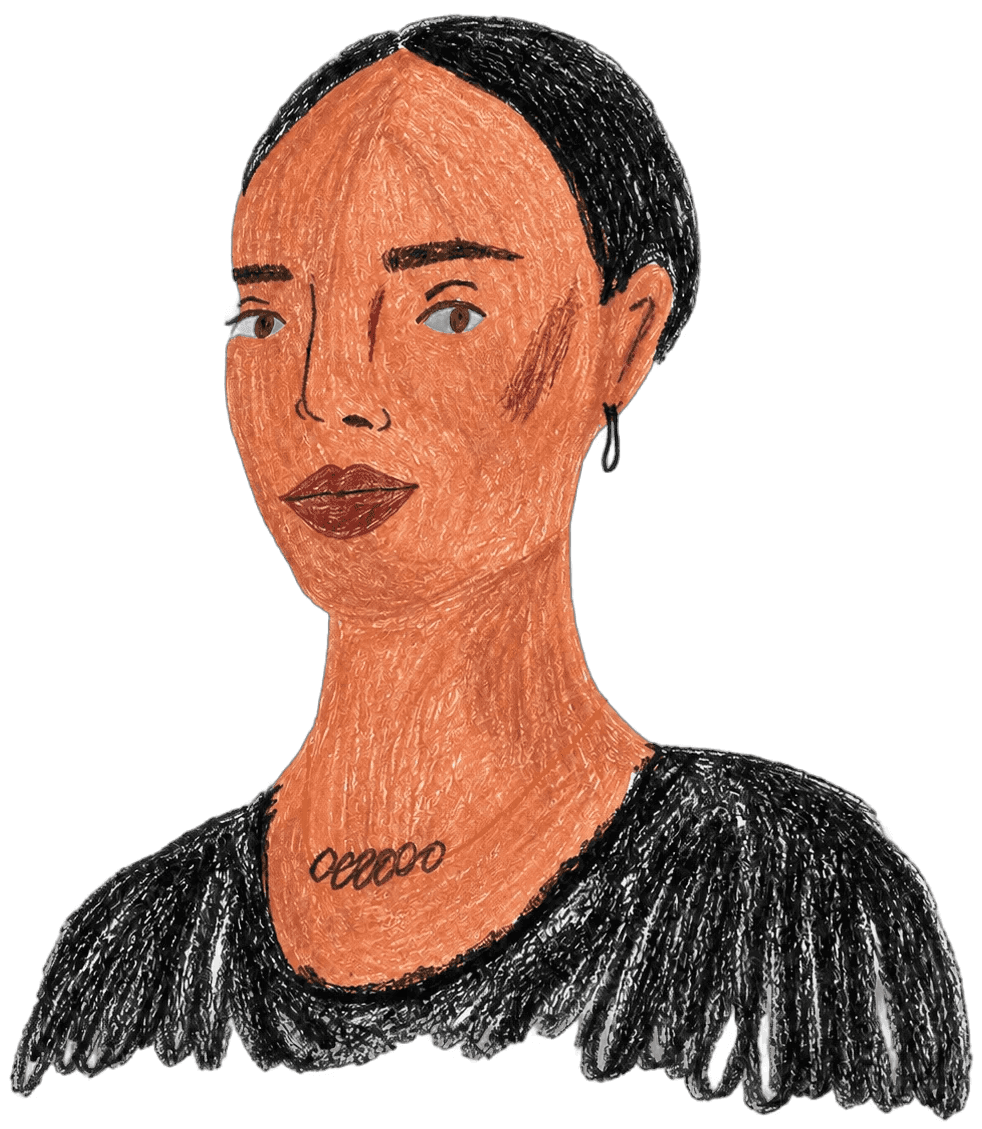

My specialist training involved a highly competitive, four-year, full-time ACP-accredited clinical doctorate in Child and Adolescent Psychoanalytic Psychotherapy at the Tavistock and Portman, one of the world’s best-known centres for psychotherapy training, with the degree awarded by the University of Essex.
The national ACP training standard prepares Child and Adolescent Psychotherapists to assess and treat infants, children and young people up to the age of 25, while also working with parents, carers and the wider professional network around them. I am a full member of the Association of Child Psychotherapists.




Sagal’s clinical training
Pre-clinical training and postgraduate qualifications
My specialist training included three years of preclinical, master’s-level study from 2017 to 2020, followed by the four-year clinical training programme in Child and Adolescent Psychoanalytic Psychotherapy at the Tavistock and Portman, validated by the University of Essex. The preclinical work included child development, infant observation and therapeutic work with children and families. During the NHS-funded clinical programme, sustained supervised work with young people gave me experience of how relationships and difficulties can develop over time.
Clinical doctorate in child and adolescent psychotherapy
My doctoral training focused on infants, children, adolescents, young adults and their families. It brought clinical practice together with academic study, research and sustained reflection on the therapeutic relationship. This specialist developmental focus informs how I assess a young person’s needs and consider whether my approach can help.
The clinical programme included a sustained CAMHS placement, individual and group supervision, a qualifying clinical paper and supervised intensive psychotherapy across different age groups. Following young people over time helped me learn what it means to develop and sustain a therapeutic relationship. It also taught me to consider the family, school, medical and professional relationships around each child.
Personal psychotherapy
I have undertaken several years of psychoanalysis, which is an intensive type of psychotherapy involving four to five appointments a week. This was a part of my clinical training, but it has also been important in informing my understanding of what it can mean to enter therapy and develop a therapeutic relationship. Personal psychotherapy is different from clinical supervision: it allows space to understand oneself and one’s own emotional life. This formed part of the reflective discipline required of a Child and Adolescent Psychoanalytic Psychotherapist. It developed my capacity to recognise personal blind spots, remain attentive to countertransference, maintain thoughtful professional boundaries and continue thinking when clinical work evokes powerful feelings. It also means that my understanding of psychotherapy comes from both sides of the therapeutic relationship: as a clinician and as someone with extensive personal experience of being a patient.
NHS research in psychotherapy and paediatric hospital care
My doctoral research examined collaboration between child psychotherapists and paediatricians. It informs how I communicate across professional perspectives and think about the relationship between physical healthcare and psychological treatment, while remaining clear about the limits of my own role. This is particularly relevant when several professionals are involved and a family is receiving different explanations of a child’s difficulties.
Frequently asked questions
I completed a four-year, full-time ACP-accredited clinical doctorate in Child and Adolescent Psychoanalytic Psychotherapy at the Tavistock and Portman, with the degree awarded by the University of Essex. The training brought clinical practice together with academic study, research and sustained reflection on the therapeutic relationship.
Before the four-year clinical programme, I completed three years of preclinical, master’s-level study from 2017 to 2020. This included child development, infant observation and therapeutic work with children and families.
The NHS-funded clinical programme included a sustained CAMHS placement, individual and group supervision, a qualifying clinical paper and supervised intensive psychotherapy across different age groups. Following young people over time helped me learn how to develop and sustain a therapeutic relationship while considering the family, school, medical and professional relationships around each child.
My doctoral training focused on infants, children, adolescents, young adults and their families. The national ACP training standard prepares Child and Adolescent Psychotherapists to assess and treat infants, children and young people up to the age of 25, and to work with parents, carers and the wider professional network. This developmental focus informs how I assess a young person’s needs and consider whether my approach can help.
I have undertaken several years of psychoanalysis, involving four to five appointments a week. This formed part of my clinical training and reflective practice. Personal psychotherapy differs from clinical supervision: it provides space to understand one’s own emotional life, recognise blind spots and remain thoughtful about professional boundaries and feelings evoked by the work. It also informs my understanding of what it can mean to enter therapy from the patient’s perspective.
My doctoral research examined collaboration between child psychotherapists and paediatricians. It informs how I communicate across professional perspectives and think about the relationship between physical healthcare and psychological treatment, while remaining clear about the limits of my own role. This is particularly relevant when several professionals are involved and a family is receiving different explanations of a child’s difficulties.
I do not ask current or former patients or their families to promote my practice through public reviews or testimonials. Therapy involves trust and an imbalance of power: a request from a therapist may feel difficult to refuse, even when it is described as optional. Your care does not depend on praise, and you should be free to disagree, raise concerns or decide against continuing. I welcome honest feedback about our work and consider it privately, separately from advertising. I protect both what is shared in therapy and the fact that someone has received care. I can explain my approach through general examples. Any example drawn from clinical work requires careful consideration of consent, the risk of recognition and its possible effect on the people involved. Identifying details must be removed or altered; changing a name alone is not enough. I cannot promise that an account is impossible to recognise, and I would not share it if confidentiality could not be adequately protected. Examples illustrate an approach; they do not promise the same outcome for another child.
Association of Child Psychotherapists. How to train as a child and adolescent psychotherapist. Accessed 5 September 2026.
Tavistock and Portman NHS Foundation Trust. FAQs: Child and adolescent psychoanalytic psychotherapy (M80) training. Accessed 5 September 2026.
Association of Child Psychotherapists. Code of Professional Conduct and Ethics.
Parent Consultation
A 40-minute online appointment for parents, offering specialist guidance without an obligation to continue.