




Sagal Hassan Child and Adolescent Psychotherapist logo

Autism, ADHD, masking, overwhelm and burnout

A young person may appear to cope while spending much of the day working out what other people expect.

I consider the cost of masking, sensory demands and repeated misunderstanding, alongside their relationships and sense of themselves. Psychotherapy offers space to explore life as a neurodivergent person, with attention to the adaptations they may need around them.

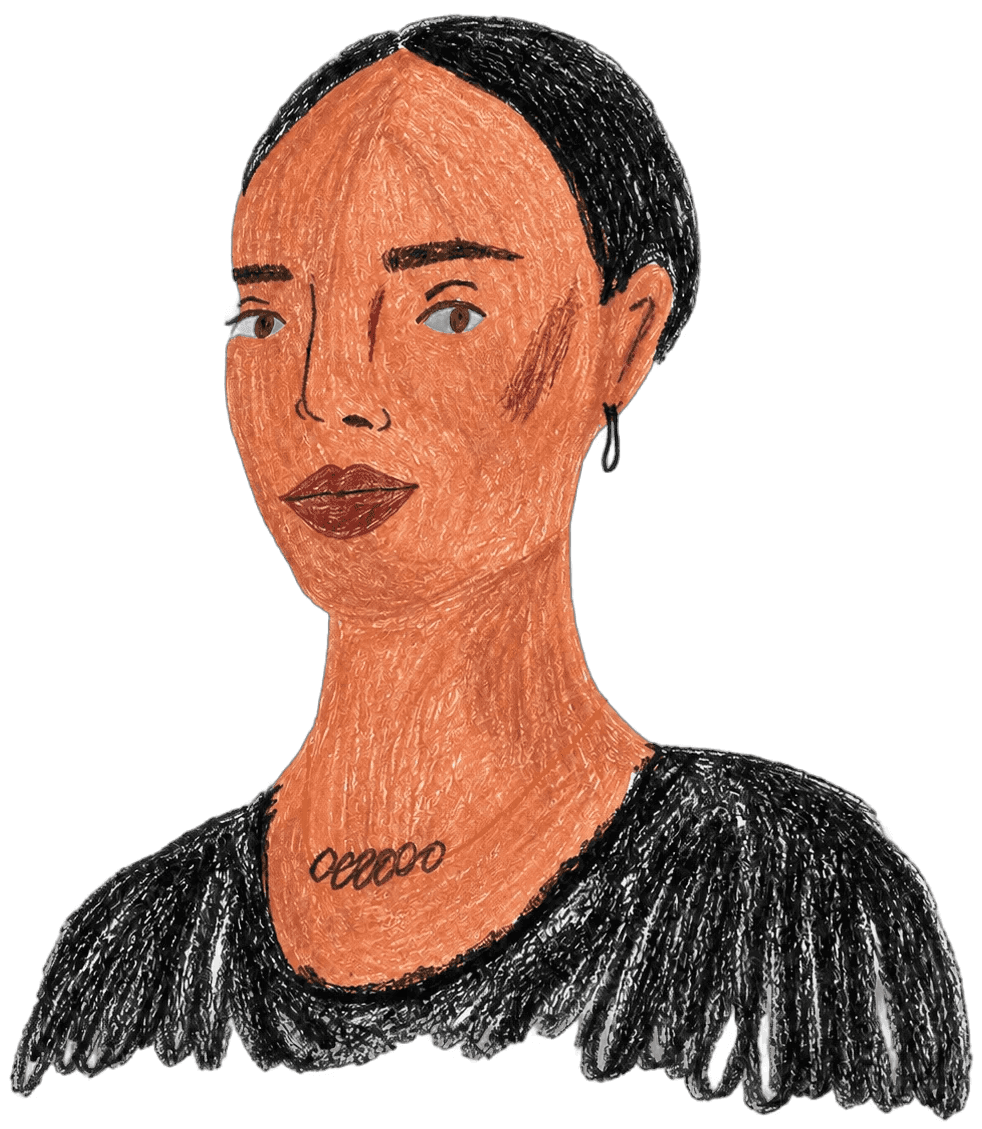
Portrait of Sagal Hassan, ACP-registered Child and Adolescent Psychotherapist in Highgate, North London

As seen in

Sagal Hassan’s Metro author page
Read The i Paper’s article quoting Sagal Hassan
Sagal Hassan’s letter in The Guardian
Sagal Hassan’s expert commentary in Hip & Healthy

Autism, ADHD, masking, overwhelm and burnout

A young person may appear to cope while spending much of the day working out what other people expect.

I consider the cost of masking, sensory demands and repeated misunderstanding, alongside their relationships and sense of themselves. Psychotherapy offers space to explore life as a neurodivergent person, with attention to the adaptations they may need around them.

Portrait of Sagal Hassan, ACP-registered Child and Adolescent Psychotherapist in Highgate, North London

Autism, ADHD, masking, overwhelm and burnout

A young person may appear to cope while spending much of the day working out what other people expect.

I consider the cost of masking, sensory demands and repeated misunderstanding, alongside their relationships and sense of themselves. Psychotherapy offers space to explore life as a neurodivergent person, with attention to the adaptations they may need around them.

Portrait of Sagal Hassan, ACP-registered Child and Adolescent Psychotherapist in Highgate, North London

As seen in

Sagal Hassan’s Metro author page
Read The i Paper’s article quoting Sagal Hassan
Sagal Hassan’s letter in The Guardian
Sagal Hassan’s expert commentary in Hip & Healthy

Autism, ADHD, masking, overwhelm and burnout

Portrait of Sagal Hassan, ACP-registered Child and Adolescent Psychotherapist in Highgate, North London

A young person may appear to cope while spending much of the day working out what other people expect.

I consider the cost of masking, sensory demands and repeated misunderstanding, alongside their relationships and sense of themselves. Psychotherapy offers space to explore life as a neurodivergent person, with attention to the adaptations they may need around them.

Autism, ADHD, masking, overwhelm and burnout

Portrait of Sagal Hassan, ACP-registered Child and Adolescent Psychotherapist in Highgate, North London

A young person may appear to cope while spending much of the day working out what other people expect.

I consider the cost of masking, sensory demands and repeated misunderstanding, alongside their relationships and sense of themselves. Psychotherapy offers space to explore life as a neurodivergent person, with attention to the adaptations they may need around them.

What parents may notice

Your child may:

  • hold themselves together at school and collapse at home;

  • need long periods alone after ordinary social or academic demands;

  • become more sensitive to sound, light, clothing, touch, movement or interruption;

  • lose tolerance for requests they previously managed;

  • shut down, become unable to speak or communicate only through messages;

  • experience more frequent meltdowns, panic, anger or tearfulness;

  • withdraw from friends, interests, self-care or school;

  • need rigid predictability because even small changes feel unmanageable;

  • fear being watched, corrected, perceived or asked a direct question;

  • become intensely perfectionistic, unable to begin or unable to stop;

  • appear compliant in appointments while later saying they never wanted the intervention;

  • feel that therapy itself is another performance they are expected to complete correctly.

These changes do not prove burnout. Sudden or marked loss of capacity also deserves medical and mental-health consideration. The task is to understand what has changed, what demands remain active and what recovery requires.

Masking can conceal the cost of coping

Masking or camouflaging can involve suppressing natural movement, rehearsing speech, copying social behaviour, hiding confusion, forcing eye contact or monitoring every sign of difference. It may help a young person navigate a setting in the short term while creating exhaustion, anxiety, loss of identity and delayed distress.

The child who looks “fine” in school may not be fine. The difference between settings is clinically important rather than evidence that the problem exists only at home.

Burnout is not solved by teaching better compliance

In a small qualitative study, autistic young people described burnout through chronic exhaustion, reduced skills and increased sensitivity after sustained demands. The helpful response is not to restore the previous level of performance as quickly as possible. It is to understand which expectations, sensory conditions, relationships and forms of masking became unsustainable.

ADHD-related executive strain can produce a related but distinct pattern: tasks require disproportionate effort to initiate, sequence, switch or complete; shame accumulates; urgency becomes the only way to act; and apparent motivation collapses under chronic overload.

Fear of being perceived may have several meanings

A young person who cannot bear being seen may fear judgement, mistakes or social rejection. They may also be exhausted by monitoring their body, face and speech; overwhelmed by direct attention; uncertain about what others expect; or carrying memories of being corrected, mocked or misunderstood.

A reduced timetable or refusal to enter a room is therefore part of the picture, not proof of one cause and not a target pursued in isolation.

How I adapt psychotherapy

Some autistic young people find highly structured or task-based therapy difficult when they are expected to identify the problem, answer direct questions or complete exercises before they feel safe or understand what is happening internally. Therapy can then become another situation in which they must perform.

My work is psychodynamic, play- and materials-based, intentionally slow-paced and low-demand. There is no requirement to know what is wrong, talk on demand, make eye contact, complete tasks or engage in a prescribed way.

Depending on preference, a young person may:

  • lie on the couch, sit on the floor or work beside me rather than face-to-face;

  • draw, make, use sensory objects, play a game or focus on an absorbing activity;

  • have my chair turned away or use less direct visual attention;

  • communicate through fragments, messages, objects, movement or silence;

  • create a personal materials box that remains consistent across sessions;

  • visit the room briefly before assessment and complete an optional sensory-preferences questionnaire;

  • take time to decide whether the setting is something they can genuinely use.

These are not warm-up exercises before conventional therapy begins. Safety, predictability and a workable form of contact are part of the treatment itself.

I would not assume that this is straightforward social anxiety, defiance, laziness or school avoidance. I want to understand what being seen has come to mean for your child: self-monitoring and masking, fear of mistakes, earlier misunderstanding or judgement, sensory or relational overwhelm, executive strain, school expectations, EHCP provision and the exhaustion beneath apparent coping.

Experience with autistic young people who have struggled in therapy before

I am an ACP-registered Child and Adolescent Psychotherapist with more than a decade of experience across schools, NHS CAMHS and paediatric hospital settings. My work includes autistic adolescents living with masking, perfectionism, fear of judgement, sensory or relational overwhelm and EBSA, including young people who felt misunderstood or unable to engage in previous therapy.

I have worked with pupils in SEND and SEMH settings and contributed a psychotherapy perspective to neurodevelopmental assessments. This informs how I adapt the setting and relationship. I do not provide stand-alone autism or ADHD diagnosis, and I do not treat neurodivergence as something to remove.

I am an ACP-registered Child and Adolescent Psychotherapist with more than a decade of experience across schools, NHS CAMHS and paediatric hospital settings. My work includes autistic adolescents living with masking, perfectionism, fear of judgement, sensory or relational overwhelm and EBSA, including young people who felt misunderstood or unable to engage in previous therapy.

I have worked with pupils in SEND and SEMH settings and contributed a psychotherapy perspective to neurodevelopmental assessments. This informs how I adapt the setting and relationship. I do not provide stand-alone autism or ADHD diagnosis, and I do not treat neurodivergence as something to remove.

Read more about Sagal

Sagal Hassan, ACP-registered Child and Adolescent Psychotherapist in Highgate, North London

Therapy that does not ask your child to perform it

Parent Consultation, Psychotherapy Assessment, ongoing psychotherapy and Ending are separate decisions. No stage assumes the next. I want to understand what earlier therapy involved, how the young person experienced it and what would have to be different now.

Parent Consultation, Psychotherapy Assessment, Ongoing Psychotherapy and Ending are separate decisions. No stage assumes the next. I want to understand what earlier therapy involved, how the young person experienced it and what would have to be different now.

My work is psychodynamic, play- and materials-based, intentionally slow-paced and low-demand. There is no requirement to know what is wrong, talk on demand, make eye contact, complete tasks or engage in a prescribed way. A personal therapy materials box can hold sensory objects, art materials, toys or games. We may draw, make, play, talk indirectly through an absorbing activity or simply become familiar with the space.

My work is psychodynamic, play- and materials-based, intentionally slow-paced and low-demand. There is no requirement to know what is wrong, talk on demand, make eye contact, complete tasks or engage in a prescribed way. A personal therapy materials box can hold sensory objects, art materials, toys or games. We may draw, make, play, talk indirectly through an absorbing activity or simply become familiar with the space.

I want to understand what earlier therapy involved, how your child experienced it and what must be different now, so this does not feel like another intervention being imposed. Parent Consultation, three-session Psychotherapy Assessment, ongoing psychotherapy and a planned Ending are separate decisions. No stage assumes the next: comfort, rapport and consent come first, and together we invent a form of therapy your child can genuinely use.

I want to understand what earlier therapy involved, how your child experienced it and what must be different now, so this does not feel like another intervention being imposed. Parent Consultation, three-session Psychotherapy Assessment, Ongoing Psychotherapy and a planned Ending are separate decisions. No stage assumes the next: comfort, rapport and consent come first, and together we invent a form of therapy your child can genuinely use.

Hand-drawn green leaf illustrating Parent Consultation

Parent Consultation

40-minute online appointment

A focused appointment for parents, followed by a one-page A4 recommendations letter.

Read more about Parent Consultation

Hand-drawn green leaf illustrating Parent Consultation

Parent Consultation

40-minute online appointment

A focused appointment for parents, followed by a one-page A4 recommendations letter.

Read more about Parent Consultation

40 minutes · Online · Parents only

The Parent Consultation gives you protected time to describe masking, exhaustion, sensory strain, shutdowns, meltdowns, demand avoidance, school attendance and previous treatment without involving your child yet. We consider what may underlie the distress, existing support, how I would adapt the work and whether assessment, parent-led changes, school or professional input, another service—or no further work with me—offers the best next step. The appointment is useful in its own right and does not guarantee treatment.

Hand-drawn caterpillar illustrating Psychotherapy Assessment

Psychotherapy Assessment

3 × 50-minute child appointments

Three appointments, followed by a brief parent feedback telephone call and a one-page A4 summary letter.

Read more about Psychotherapy Assessment

Hand-drawn caterpillar illustrating Psychotherapy Assessment

Psychotherapy Assessment

3 × 50-minute child appointments

Three appointments, followed by a brief parent feedback telephone call and a one-page A4 summary letter.

Read more about Psychotherapy Assessment

Three 50-minute appointments; parent(s) join the first

Before the three appointments, a brief room visit and optional sensory-preferences questionnaire can be considered. Speech, eye contact, separation and conventional play are not tests; we may draw, make, use sensory objects, play, work side by side or sit quietly. Parent feedback includes an initial psychotherapeutic formulation and recommendations. A weekly psychotherapy place is available when assessment is booked. Ongoing work begins when it is clinically indicated and the young person has had a meaningful opportunity to consent to the treatment and its terms.

Three 50-minute appointments; parent(s) join the first

Before the three appointments, a brief room visit and optional sensory-preferences questionnaire can be considered. Speech, eye contact, separation and conventional play are not tests; we may draw, make, use sensory objects, play, work side by side or sit quietly. Parent feedback includes an initial psychotherapeutic formulation and recommendations. Ongoing work begins only where it is indicated, a place is available and the young person has had a meaningful opportunity to consent to the treatment and its terms.

Hand-drawn chrysalis illustrating Ongoing Psychotherapy

Psychotherapy appointments

Weekly during term time · 50 minutes

Weekly psychotherapy, with the scope of parent work, liaison and other clinical activities agreed together in advance.

Read more about Psychotherapy appointments

Hand-drawn chrysalis illustrating Ongoing Psychotherapy

Psychotherapy appointments

Weekly during term time · 50 minutes

Weekly psychotherapy, with the scope of parent work, liaison and other clinical activities agreed together in advance.

Read more about Psychotherapy appointments

Weekly psychotherapy during term time

The young person has a weekly 50-minute appointment during term time. We agree together the scope of parent work, reviews and liaison with other professionals before treatment begins. We may talk indirectly through a game, make something, use sensory materials or allow silence. Work with parents and EHCP professionals can help change the environment without turning therapy into attendance monitoring, behaviour correction or a programme for appearing less neurodivergent. See Fees for session prices, separately agreed work and practical arrangements.

When the same distress appears at school, with peers or in the body

Fear of being perceived may sit alongside school attendance difficulty, bullying, perfectionism, broader anxiety, pain or fatigue. The related pages help you follow the concern that feels most pressing now without reducing the whole picture to one diagnosis or asking attendance to prove recovery.

Fear of being perceived may sit alongside school attendance difficulty, bullying, perfectionism, broader anxiety, pain or fatigue. The related pages help you follow the concern that feels most pressing now without reducing the whole picture to one diagnosis or asking attendance to prove recovery.

When pushing your child towards school increases their distress, but stepping back seems to make returning even harder, it can feel as though every response is wrong. A parent consultation can help you understand what may be making attendance feel impossible, decide how to respond at home and identify the most appropriate next steps with school.

Scroll to read ↓

Young people can often feel too ashamed to admit they are lonely, socially excluded or being bullied; they may hide what is happening, withdraw or insist that everything is fine. A parent consultation can help you recognise the less obvious signs, approach the subject without making them feel interrogated or exposed, and decide how best to support them—including whether and how to involve their school in a sensitive and collaborative way, or whether safeguarding needs to be considered.

Scroll to read ↓

When pushing your child towards school increases their distress, but stepping back seems to make returning even harder, it can feel as though every response is wrong. A parent consultation can help you understand what may be making attendance feel impossible, decide how to respond at home and identify the most appropriate next steps with school.

Scroll to read ↓

Young people can often feel too ashamed to admit they are lonely, socially excluded or being bullied; they may hide what is happening, withdraw or insist that everything is fine. A parent consultation can help you recognise the less obvious signs, approach the subject without making them feel interrogated or exposed, and decide how best to support them—including whether and how to involve their school in a sensitive and collaborative way, or whether safeguarding needs to be considered.

Scroll to read ↓

When pushing your child towards school increases their distress, but stepping back seems to make returning even harder, it can feel as though every response is wrong. A parent consultation can help you understand what may be making attendance feel impossible, decide how to respond at home and identify the most appropriate next steps with school.

Scroll to read ↓

Young people can often feel too ashamed to admit they are lonely, socially excluded or being bullied; they may hide what is happening, withdraw or insist that everything is fine. A parent consultation can help you recognise the less obvious signs, approach the subject without making them feel interrogated or exposed, and decide how best to support them—including whether and how to involve their school in a sensitive and collaborative way, or whether safeguarding needs to be considered.

Scroll to read ↓

When pushing your child towards school increases their distress, but stepping back seems to make returning even harder, it can feel as though every response is wrong. A parent consultation can help you understand what may be making attendance feel impossible, decide how to respond at home and identify the most appropriate next steps with school.

Scroll to read ↓

Young people can often feel too ashamed to admit they are lonely, socially excluded or being bullied; they may hide what is happening, withdraw or insist that everything is fine. A parent consultation can help you recognise the less obvious signs, approach the subject without making them feel interrogated or exposed, and decide how best to support them—including whether and how to involve their school in a sensitive and collaborative way, or whether safeguarding needs to be considered.

Scroll to read ↓

When achievement matters deeply within a family, even loving encouragement and high expectations can unintentionally intensify a young person’s fear of failure. A parent consultation can help you understand how expectations and family messages about success, effort and mistakes may be affecting them, and develop an approach that preserves ambition while reducing pressure and making room for rest, uncertainty and imperfection.

Scroll to read ↓

When reassurance only helps briefly and avoidance is beginning to shape family life, it can be difficult to know whether to comfort, encourage or hold a boundary. A parent consultation can help you understand what may be maintaining the anxiety and develop a calmer, more consistent way of responding without inadvertently reinforcing the fear.

Scroll to read ↓

When achievement matters deeply within a family, even loving encouragement and high expectations can unintentionally intensify a young person’s fear of failure. A parent consultation can help you understand how expectations and family messages about success, effort and mistakes may be affecting them, and develop an approach that preserves ambition while reducing pressure and making room for rest, uncertainty and imperfection.

Scroll to read ↓

When reassurance only helps briefly and avoidance is beginning to shape family life, it can be difficult to know whether to comfort, encourage or hold a boundary. A parent consultation can help you understand what may be maintaining the anxiety and develop a calmer, more consistent way of responding without inadvertently reinforcing the fear.

Scroll to read ↓

When achievement matters deeply within a family, even loving encouragement and high expectations can unintentionally intensify a young person’s fear of failure. A parent consultation can help you understand how expectations and family messages about success, effort and mistakes may be affecting them, and develop an approach that preserves ambition while reducing pressure and making room for rest, uncertainty and imperfection.

Scroll to read ↓

When reassurance only helps briefly and avoidance is beginning to shape family life, it can be difficult to know whether to comfort, encourage or hold a boundary. A parent consultation can help you understand what may be maintaining the anxiety and develop a calmer, more consistent way of responding without inadvertently reinforcing the fear.

Scroll to read ↓

When achievement matters deeply within a family, even loving encouragement and high expectations can unintentionally intensify a young person’s fear of failure. A parent consultation can help you understand how expectations and family messages about success, effort and mistakes may be affecting them, and develop an approach that preserves ambition while reducing pressure and making room for rest, uncertainty and imperfection.

Scroll to read ↓

When reassurance only helps briefly and avoidance is beginning to shape family life, it can be difficult to know whether to comfort, encourage or hold a boundary. A parent consultation can help you understand what may be maintaining the anxiety and develop a calmer, more consistent way of responding without inadvertently reinforcing the fear.

Scroll to read ↓

What progress may look like

Progress may include:

  • more accurate recognition of exhaustion and sensory need;

  • reduced pressure to mask within safe relationships;

  • more recovery after demands rather than increased endurance of harmful demands;

  • clearer ways of communicating “no”, “not yet”, “too much” or “I need help”;

  • less shame about executive difficulty, movement, interests or communication style;

  • safer parent-child conversations around demand and capacity;

  • school or EHCP support that reflects the actual barriers;

  • renewed interest, play, connection or learning without using full attendance as the only measure;

  • a stronger and more coherent sense of neurodivergent identity.

Frequently asked questions

No. It is a term used by autistic people, clinicians and researchers to describe a recognisable pattern of severe exhaustion and reduced capacity associated with prolonged demands and insufficient recovery. Similar changes can also reflect depression, anxiety, trauma, sleep difficulty, physical illness or another condition, so the whole picture needs consideration. Burnout is not diagnosed on this page or through a Parent Consultation. Significant or sudden changes may need consideration by an appropriate health professional.

Not necessarily. A demand can trigger anxiety, loss of control, executive overload, sensory strain or a threat response. Understanding that does not mean adults can never set limits. It means the timing, language, purpose and necessity of demands should be examined rather than escalating pressure automatically.

Yes, when neurological difference is respected and the aim is not normalisation. Psychodynamic work can explore identity, relationships, shame, masking, dependence, anger and the emotional consequences of repeated misunderstanding while adapting communication and the setting to the young person.

You can still book a Parent Consultation. I can consider the child’s communication, sensory experience, executive functioning and patterns of coping without declaring a diagnosis. Where diagnostic assessment appears important, I will recommend an appropriate route.

I would not assume it is simply conventional social anxiety. I would be interested in what being seen has come to mean: monitoring and masking, fear of mistakes, previous misunderstanding or judgement, sensory or relational overwhelm, other people’s expectations, friendship experiences, school demands, EHCP provision and exhaustion. Difficulty attending is part of that picture, not proof of one cause or a target pursued alone.

I would ask what was offered, how your child experienced it, what was expected and what made it difficult or unhelpful. Some structured approaches can arrive before safety or internal understanding, leaving a young person feeling that therapy is another performance. That is not failure to engage. The earlier experience should guide what changes. If my approach is still unsuitable, I will say so.

No. A child may respond differently because the people, demands, sensory environment and recovery opportunities differ. The contrast can be important to explore, but it does not by itself confirm masking, autism or ADHD. A consultation can consider the pattern without treating one observation as a diagnosis.

No. I do not offer standalone autism or ADHD diagnosis. I have contributed to neurodevelopmental assessments from a specialist psychotherapy lens, including using the Childhood Autism Rating Scale (CARS) as one contribution within a multidisciplinary assessment. That experience does not make this a diagnostic service. If formal diagnosis is the question, a Parent Consultation can help consider an appropriate diagnostic route; it is not that assessment.

Yes. The directly bookable appointment is a Parent Consultation, so parents or carers can begin without committing the child to therapy. The consultation can consider whether any later child involvement is suitable, whether parent work is more useful, or whether a different route is needed. If your child cannot yet speak with a therapist, that does not predetermine the recommendation; we can consider reasonable adjustments, such as a parent attending while the young person becomes comfortable. Parent counselling may help you support your child, or a different route may fit better altogether.

You can begin with a Parent Consultation without involving your child yet. We can think about the difference between how they appear and how they recover, the demands they are managing and their experience of earlier support. The next step may involve changes at home or school, adapted assessment, parent work or another professional. A Parent Consultation does not commit you to ongoing psychotherapy.

Masking is when a child or teenager works hard to hide distress, sensory overwhelm or neurodivergent needs, often appearing to cope at school and then collapsing at home.

Autistic burnout can involve deep exhaustion, shutdown, loss of skills, increased sensory sensitivity and reduced capacity after prolonged stress or masking.

No. The work is not about correcting neurodivergence. It is about understanding the young person's experience and supporting a more sustainable way of functioning.

No. They may lie on the couch, sit on the floor or beside me, use a game or absorbing object, draw, make something, have my chair turned away or spend time without speaking. We build a way of working rather than asking them to adapt immediately to conventional therapy. The exact approach depends on assessment, preferences and clinical fit; there is no universal format.

A brief call cannot provide enough time to understand the history or judge fit responsibly. The Parent Consultation provides protected clinical space. It does not guarantee assessment or treatment. I consider current needs, existing support and whether my approach and setting are appropriate, and recommend another route when that would be more helpful.

Often. Parent work and carefully agreed liaison may be integral when neurodivergence and EBSA affect several parts of life. With appropriate consent, I can liaise with school, the SENCO or professionals responsible for an EHCP around a specific purpose, such as sharing a formulation or thinking about demands and adjustments. Therapy should not become attendance monitoring. School retains its statutory and safeguarding responsibilities. Liaison is not included in the Parent Consultation; it is considered within an agreed later plan. I do not provide educational advocacy or legal advice, and I cannot promise a particular school adjustment or response.

Psychotherapy is not diagnosis, conversion or crisis care

I do not provide stand-alone autism or ADHD diagnosis. Diagnostic questions require an appropriately qualified assessment service. Marked or sudden loss of capacity, severe self-neglect, new neurological or physical symptoms, self-harm or rapid deterioration may need medical or urgent mental-health assessment rather than being assumed to be burnout.

This practice does not provide crisis response or i-THRIVE Getting Risk Support. Progress is not measured by eye contact, conventional sociability, compliance, a stronger mask or full attendance.

I do not provide stand-alone autism or ADHD diagnosis. Diagnostic questions require an appropriately qualified assessment service. Marked or sudden loss of capacity, severe self-neglect, new neurological or physical symptoms, self-harm or rapid deterioration may need medical or urgent mental-health assessment rather than being assumed to be burnout.

This practice does not provide crisis response or i-THRIVE Getting Risk Support. Progress is not measured by eye contact, conventional sociability, compliance, a stronger mask or full attendance.

When urgent or risk-led help is needed

This is a planned outpatient psychotherapy practice, not an emergency, crisis or risk-management service. Call 999 or go to A&E when someone’s life is at risk, there has been a serious injury or overdose, or you do not feel able to keep someone safe. For urgent mental-health help without immediate danger, call NHS 111 and select the mental health option, or ask for an urgent GP appointment. Concerns that a child may be at risk of abuse or serious harm should also be reported through the relevant safeguarding route.

Related difficulties

School attendance difficulties and EBSA — when masking, sensory load or burnout has made education unsustainable.

Read more about school attendance and EBSA

Bullying, friendships and social anxiety — when fear of being perceived or repeated social misunderstanding is central.

Read more about bullying, friendships and social anxiety

Exam stress and perfectionism — when achievement, rigidity and fear of mistakes intensify exhaustion.

Read more about exam stress and perfectionism

Parent and family work — for thinking about masking, sensory overwhelm, shutdowns or meltdowns around the child without assuming that family life caused the difficulty.

Read more about parent and family work

Professional liaison — when school, GP or another professional needs a focused, agreed clinical purpose.

Read more about professional liaison

Evidence and guidance for this page

Parent Consultation

A 40-minute online appointment for parents, offering specialist guidance without an obligation to continue.